Menu
Recent Post

Few things in life hit quite like the smell of Chicken Kabobs sizzling on a hot grill — sun on your shoulders, maybe a cold drink in hand, the whole summer thing in full effect (summer is just around the corner, after all!) But you know what makes it even better? Knowing these kabobs only cost about $2.50 per person. That’s the kind of math that makes a good day a great one, if you ask me. These easy chicken kabobs are like a taste of summertime magic, and can be made on a grill or a grill pan on the stove!

Overhead view of chicken kabobs on a grill.

Grilled Chicken and Vegetable Kabobs

If I’m making chicken kabobs for my family, I want them to be loaded with flavor and not dry out the second they hit the grill, which is exactly why chicken thighs work so well here. They also take on the flavor from my easy marinade made with yogurt, honey, lemon, garlic, soy sauce, and a few warm spices perfectly. The char on grilled chicken is the best part, and the yogurt really accentuates that grilling characteristic compared to oil-based marinades. The marinade’s thick coating clings to the chicken well, so all of the spices stay in contact with the meat instead of just dripping off into the hot coals or grill pan. That means more flavor stays right where you want it!

Recipe Success Tips

  1. Cut everything to a similar size. I cut the chicken into 2-3-inch pieces and the peppers and onion into 2-inch pieces so the skewers cook evenly from end to end.
  2. Soak the skewers and leave a handle. I soak my wooden skewers for at least 30 minutes, and when I am arranging the veggies and meat, I leave enough skewer at one end that’s easier to grab and safer to flip. If I’m using my charcoal grill at home, I’ll hang the empty part of the skewer on the edge of the grill so I can flip them easily.
  3. I recommend marinating the chicken for at least 2 hours if you can. But even 20 minutes will still yield great flavor. The sugar in the honey really caramelizes during the grilling process, and the Greek yogurt helps tenderize the chicken.
  4. Start with a hot grill. Make sure your grill is fully preheated before adding the chicken kabobs so the chicken gets good color right away and doesn’t stick!
  5. I chose bell peppers and onions for these skewers on purpose! Bell peppers and onions are more hardy than other veggies, so they’ll cook at the same rate as the chicken thighs, and the temperature of the grill suits them just fine! Zucchini, yellow squash, and mushrooms would be delicious too, just keep the pieces thick to avoid them overcooking and getting mushy!
  6. No grill? A grill pan on the stove works great here. Preheat it over medium-high heat, lightly oil the pan if needed, then cook the skewers in batches, so they have a little space and can get those nice grill marks.
  7. Keep your meat thermometer handy. I like to pull the skewers off when they hit 160°F and let them rest, covered on a clean plate (they’ll rise to the safe internal temp of 165°F during resting). However, it’s difficult to catch them at just the right time, so pull them at any point after 160°F, and you’ll be good to go. Luckily, chicken thighs have a higher fat content than breast meat, so they’re less likely to get dry, even if you miss that 160°F mark. Chicken thighs are much more forgiving on the grill! 
A woman checking the internal temperature of chicken kabobs on a grill with a meat thermometer.
Jess Rice from our Nashville Test Kitchen checking the internal temperature of her Chicken Kabobs in March 2026
Overhead view of chicken kabobs on a grill.
Print Add to Collection

Chicken Kabobs

These easy Chicken Kabobs are marinated in honey, garlic, lemon, and yogurt, then grilled with peppers and onion until lightly charred. Delicious and easy!
Course Main Course
Cuisine American
Total Cost $12.57 recipe / $2.51 serving
Prep Time 20 minutes
Cook Time 15 minutes
Marinate Time 20 minutes
Total Time 55 minutes
Servings 5 servings (2 skewers each)
Calories 329kcal
Author Jess Rice

Equipment

  • Mixing bowl
  • 10 Skewers (wood or metal)
  • Grill

Ingredients

Chicken

  • 2 lbs. chicken thighs boneless & skinless, (6-7 thighs) $7.03*
  • ½ Tbsp salt $0.01

Marinade

  • 2 Tbsp honey $0.31
  • ¼ cup Greek yogurt $0.91**
  • 4 garlic cloves minced, (1.5 Tbsp) $0.24
  • 1 tsp dried oregano $0.05
  • 1 tsp smoked paprika $0.07
  • 1 lemon $0.64
  • 2 Tbsp vegetable oil $0.10
  • 1 Tbsp soy sauce $0.05
  • 1 tsp black pepper freshly cracked, $0.02

Vegetables

  • 1 red bell pepper $1.52
  • 1 green bell pepper $0.92
  • 1 large yellow onion $0.70

Instructions

  • Gather ingredients. Cut lemon in half, reserve half for wedges to serve.
  • Trim chicken thighs of extra fat and cut into pieces, between 2-3 inches in size.
  • Sprinkle the raw chicken with ½ Tbsp salt and toss together. Let it sit for 20 minutes while you prepare the marinade.***
  • Combine honey, Greek yogurt, minced garlic, oregano, smoked paprika, juice of ½ a lemon, vegetable oil, soy sauce, and ground black pepper in a mixing bowl, whisk to combine.
  • Pour the marinade over the salted chicken and toss to combine. Let the chicken marinate for 20 minutes or up to 2 hours covered in the refrigerator.
  • If using wood skewers, soak them in warm water while the chicken marinates and you prepare the vegetables.
  • Seed and cut bell peppers into 2” size pieces. Peel and cut onions into pieces around the same size. Quarter the remaining half of the lemon.
  • Preheat your grill to 450℉. Once the chicken thighs are marinated, begin assembling the skewers: Start with veggies on the end and alternate ingredients. I wanted to make sure each skewers had a little bit of everything, but stretched the bell peppers to make sure each skewer had a couple. You don’t need to crowd the skewers! You can give them a little room between each ingredient when you’re making them.
  • Brush the extra marinade over each skewer.
  • Place as many skewers on your grill that can comfortably fit without overcrowding them. Grill for 7-8 minutes. Don't wiggle the skewers around! Just place them on the grill and leave them be. Let the chicken and vegetables sear to get those coveted grill marks!
  • Flip kabobs after 7-8 min. You’ll likely end up turning your skewers 2-3 times.
  • You’ll know your chicken kabobs are done when a meat thermometer reads 165℉ when inserted into the thickest part of the chicken thighs. Serve with lemon wedges and enjoy!

See how we calculate recipe costs here.

Notes

*Chicken thighs are dark meat, which has a deeper, more savory flavor than breast meat, which holds up against a good char and punchy marinade! Chicken breast also works, but it can dry out faster, so I prefer brining them and cooking grilled chicken breasts whole. If you want to use breast meat for skewers, I’d skip the veggies so you can focus on cooking the chicken without overdoing that leaner meat. Cook the breast pieces for 4-5 minutes per side (like in our chicken teriyaki kebab recipe).
**I like to use a full fat Greek yogurt if I can find a deal on it, because the fat content in the yogurt helps carry the flavors of the garlic, herbs, and spices. It also helps keep the chicken thighs moist on the grill!
***This quick 20-minute dry brine seasons the chicken more deeply and helps it stay nice and juicy once it hits the grill!
Choose the right skewer for your grill: Longer skewers are better for charcoal grilling, in my experience, and the shorter skewers are better for electric indoor grills (like we use at the studio, shown in the photos).

Nutrition

Serving: 1serving (2 skewers) | Calories: 329kcal | Carbohydrates: 15g | Protein: 37g | Fat: 13g | Sodium: 1068mg | Fiber: 2g

how to make Chicken Kabobs step-by-step photos

The ingredients to make chicken kabobs.

Gather all of your ingredients. Cut 1 lemon in half and set one half aside for squeezing into the marinade. Reserve the remaining lemon half for serving.

Diced chicken thigh pieces.

Prep the chicken: Trim any excess fat from 2 lbs. boneless, skinless chicken thighs, then cut them into roughly 2-3-inch pieces so they cook evenly and thread easily onto the skewers.

Chicken thighs in a bowl with salt.

Place the chicken in a large bowl, sprinkle with ½ Tbsp salt, and toss until evenly coated. Let it sit for 20 minutes while you prepare the marinade. This gives the chicken a head start on seasoning and helps it stay juicy.

Oil, yogurt, garlic and seasonings in a bowl.

Make the marinade: In a separate mixing bowl, whisk together 2 Tbsp honey, ¼ cup Greek yogurt, 4 minced garlic cloves, 1 tsp dried oregano, 1 tsp smoked paprika, the juice from ½ lemon, 2 Tbsp vegetable oil, 1 Tbsp soy sauce, and 1 tsp black pepper until combined.

Chicken thigh pieces marinating in a yogurt marinade.

Marinate the chicken: Pour the marinade over the chicken and toss until every piece is well coated. Let it marinate for 20 minutes at room temperature, or cover and refrigerate for up to 2 hours for even more flavor.

Wooden skewers in a shallow dish with water.

Soak the skewers: If you’re using wooden skewers, soak them in warm water while the chicken marinates and you prep the vegetables, so they’re less likely to burn on the grill.

Diced onion, green and red bell peppers and a quartered lemon on a wooden cutting board.

Prep the veggies: Seed and cut 1 red bell pepper and 1 green bell pepper into about 2-inch pieces. Peel 1 large yellow onion and cut it into chunks about the same size, separating some of the layers so they thread onto the skewers more easily. Quarter the remaining lemon half for serving.

A hand threading bell pepper, onion and chicken onto a skewer.

Assemble the kabobs: Preheat your grill to 450°F. Once the chicken has marinated, assemble the chicken skewers. Start with veggies on the end and alternate ingredients. I wanted to make sure each skewer had a little bit of everything, but stretched the bell peppers to make sure each skewer had a couple.

Just be careful not to pack everything too tightly. Leaving a little space between the pieces helps the heat circulate, so the chicken and veggies cook more evenly.

A hand brushing a marinade over chicken kebabs on a baking sheet.

Brush any remaining marinade over the assembled skewers, then discard whatever is left since it has come into contact with the raw chicken.

Chicken kabobs cooking on a grill with a meat thermometer checking the internal temperature.

Grill the chicken kabobs: Place the skewers on the hot grill, working in batches if needed, so you don’t overcrowd them. Grill for 7-8 minutes, until the undersides have grill marks and the chicken starts to look lightly charred around the edges. Don’t wiggle the skewers around so the grill marks can form!

A hand flipping a chicken and vegetable kabob over on a grill.

Flip the kabobs after 7-8 minutes, then continue cooking, turning them 2-3 times as needed so all sides cook evenly. The vegetables should soften and pick up some char, and the chicken should look lightly golden with darker grilled spots.

Four chicken kebabs cooking on a grill.

Check and serve: The chicken kabobs are done when the thickest pieces of chicken reach 165°F on an instant-read thermometer. If I can catch them at the right time, I like to pull the chicken from the grill once they reach 160°F and let them rest on a covered plate. They’ll rise to the safe internal temp of 165°F during resting. Serve warm with the lemon wedges for squeezing over the top. Enjoy!

Side view of a chicken kabob on a plate with pasta salad.

Serving Suggestions

This easy chicken kabob recipe is great with a drizzle of chimichurri or white bean hummus for extra flavor and a little contrast to the smoky meat and vegetables. I’d also add a pasta salad on the side (as shown in my photo above!), plus a few extra grilled veggies since you’ve already got the grill going for a super easy, budget-friendly, summer-ready meal!

Storage & Reheating

Let any leftover chicken kabobs cool before storing in an airtight container for up to 3-4 days. For freezing, I’d remove the skewers and flash freeze the chicken and veggies in a single layer before transferring to a freezer-safe container for up to 2-3 months. Just note the veggies will be much softer after thawing and reheating, but they’d be delicious added to a salad, sandwich, or wrap! Let everything thaw before reheating in a skillet with a little oil (start reheating the chicken pieces first before adding the veggies, as they’ll take a little longer).

Try These Grilled Chicken Recipes Next:

  • My family loves this Grilled Chicken because the quick brine and smoky spice rub keep the chicken breast juicy, flavorful, and perfect for slicing over just about anything. 
  • Grilled BBQ Chicken Breasts come off the grill juicy, charred, and glossy, and they’re always a great pick for easy summer dinners or cookouts!
  • I think Grilled Honey Lime Chicken is perfect for meal prep since the chicken thighs stay juicy and pack in that sweet and smoky flavor after grilling.
  • Dry Rubbed Grilled Drumsticks and Thighs use a quick brine and bold spice rub to turn a budget-friendly cut of chicken into something juicy and packed with flavor.

The post Chicken Kabobs appeared first on Budget Bytes.


from Budget Bytes https://ift.tt/XbIm4xJ
0

This Gnocchi with Spring Vegetables is everything I love about spring in one skillet. Crunchy, earthy asparagus piled in a sea of green peas, hearty mushrooms, aromatic onions and garlic, and pan-seared, pillowy gnocchi. It’s finished with a squeeze of bright lemon and grated salty Parmesan. This is one dish I keep going back to once seasonal asparagus makes its way onto my grocery list, especially on busy weeknights! It’s simple, easy on the wallet, and packed with all those fresh spring flavors I wait for every year.

Overhead view of gnocchi with spring vegetables in a skillet with a wooden spoon.

Spring Vegetable Gnocchi Skillet

I love everything about seasonal spring produce! It’s bright, light, fresh, and beautiful. Spring’s arrival means vibrant vegetables and lighter fare, but it doesn’t skimp on full flavor, as this vegetable gnocchi recipe proves.

Gnocchi is an Italian pasta-like potato dumpling, and while you can boil it in a pot of water (follow the directions on the box), I like searing it in a skillet because it keeps things simple and gives each piece a little golden bite. But what I love most about this veggie gnocchi is just how easy and beginner-friendly it is. Everything cooks in one skillet, the steps are simple, it’s made with affordable seasonal produce, and is packed with bright, buttery flavor that makes this spring dinner feel extra good!

Recipe Success Tips

  1. I use shelf-stable gnocchi. It’s a little sturdier and tends to hold up better when pan-seared compared to fresh gnocchi. Dried gnocchi is also usually more budget-friendly! Got fresh gnocchi or homemade potato gnocchi? Don’t worry, it’ll still work! Just be gentle when flipping as the texture will be softer. Frozen gnocchi works too (no need to thaw it first).
  2. Sear the mushrooms for extra flavor. I gently wipe the mushrooms clean and cut them into quarters so they fit in the pan. Then, I like to make sure the skillet is well-oiled and hot before adding the mushrooms to get a good sear. Hold off on salting until after they’ve browned, since adding salt too early will draw out moisture and prevent proper searing.
  3. I also love a good brown sear on my gnocchi! Just be sure to watch them so they don’t burn. Turn the heat down a touch if your gnocchi starts browning too quickly. I use a silicone spatula to flip them, which helps keep them intact.
  4. Make it creamy. I kept this gnocchi and vegetable skillet simple with a squeeze of fresh lemon juice and Parmesan. Feel free to add a splash of room temperature heavy cream for a saucy finish at the end.
  5. Make it vegan and dairy-free. This vegetarian gnocchi is easily made vegan by substituting the butter and Parmesan with vegan/dairy-free alternatives. You can also omit the cheese if preferred and just substitute the butter.
Overhead view of gnocchi with spring vegetables in a skillet with a wooden spoon.
Print Add to Collection

Gnocchi with Spring Vegetables

This easy Gnocchi with Spring Vegetables recipe is a delicious one-skillet dinner with pan-seared gnocchi, seasonal veggies, lemon, and Parmesan!
Course Main Course
Cuisine American, Italian
Total Cost $8.65 recipe / $2.16 serving
Prep Time 15 minutes
Cook Time 15 minutes
Total Time 30 minutes
Servings 4 servings (about 1¼ cup)
Calories 439kcal

Equipment

  • Large Cast Iron or Skillet

Ingredients

  • 2 Tbsp vegetable oil divided, $0.08
  • 8 oz. mushrooms cleaned and quartered, $1.76
  • ½ onion small dice, (1 cup, 150g) $0.25
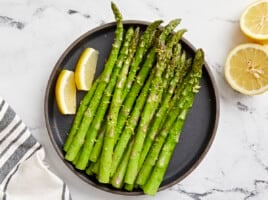
  • ½ bundle asparagus trimmed & cut 1-inch, (170g, about 10 stalks) $1.76*
  • 2 garlic cloves minced, (1 Tbsp) $0.12
  • 1 tsp salt $0.04
  • 1 tsp black pepper freshly cracked. $0.16
  • 4 Tbsp butter divided, $0.46
  • 16 oz. potato gnocchi dry & uncooked, $2.44**
  • cup frozen peas 100g, $0.33
  • ½ lemon juiced, $0.34
  • ½ cup Parmesan cheese grated, (30g) $0.91***

Instructions

  • Gather and prepare all ingredients.
  • Heat 1 Tbsp of oil in a large cast-iron over medium heat. Once hot, add the quartered mushrooms. Cook them undisturbed for 3 minutes.
  • Next, add the remaining oil, onions, asparagus, garlic, salt, and pepper. Cook for 3 minutes until the onions start to soften.
  • Push the vegetables to one side of the cast iron. Melt 2 Tbsp of butter in the open space. Add the gnocchi in a single layer to the butter and cook undisturbed for about 3 minutes.
  • Then, add the remaining butter, flip the gnocchi, and continue cooking for another 3 minutes until golden brown. I like to use a rubber spatula to gently flip the gnocchi.
  • Add the peas and squeeze in the fresh lemon juice, and cook for about 2 minutes to warm through.
  • Sprinkle on the Parmesan cheese and enjoy!

See how we calculate recipe costs here.

Notes

*Make sure to remove the ends from the asparagus. There is a natural breaking point close to the bottom where it’ll snap off. The ends are woody and hard to eat.
**I prefer using dried potato gnocchi for the price and ease. You’ll find them in the pasta section of your grocery store. Fresh, homemade, or frozen gnocchi will also work if that’s what you’ve got.
***I love Parmesan cheese, and I think it goes perfectly in this vegetable gnocchi dish. Feel free to use shredded mozzarella, provolone, or even goat cheese.

Nutrition

Serving: 1serving (about 1¼ cup) | Calories: 439kcal | Carbohydrates: 49g | Protein: 12g | Fat: 23g | Sodium: 1280mg | Fiber: 5g

how to make Gnocchi with Spring Vegetables step-by-step photos

The ingredients to make potato gnocchi with spring vegetables.

Gather all of your ingredients.

Chopped mushrooms in a cast iron skillet.

Sear the mushrooms: Heat 1 Tbsp vegetable oil in a large cast-iron skillet over medium heat. Once the oil is hot and shimmering, add the 8 oz. quartered mushrooms. Let them cook undisturbed for 3 minutes so they can get a little color on one side.

Mushrooms, asparagus, and onions in a cast iron skillet.

Add the veggies: Add the remaining 1 Tbsp vegetable oil, diced ½ onion, chopped ½ bundle asparagus, 2 minced garlic cloves, 1 tsp salt, and 1 tsp black pepper. Stir everything together and cook for about 3 minutes until the onion starts to soften and the asparagus turns bright green.

Gnocchi added to a skillet with asparagus and mushrooms.

Add the gnocchi: Push the vegetables to one side of the skillet. Add 2 Tbsp butter to the empty side and let it melt. Add the 16 oz. uncooked potato gnocchi in a single layer. Let the gnocchi cook undisturbed for about 3 minutes so the bottoms can brown and crisp up.

Try not to stir too soon here. Giving the gnocchi direct contact with the hot pan is what helps create a golden crust.

Gnocchi being flipped with a spatula in a skillet with asparagus and mushrooms.

Add the remaining 2 Tbsp butter, then gently flip the gnocchi and continue cooking for about 3 minutes more, until they’re golden brown and lightly crisp on the outside. I like to use a rubber spatula for this so the gnocchi flip easily.

A lemon being squeezed by a hand into a pan of gnocchi with spring veggies.

Add some brightness: Add ⅔ cup frozen peas and squeeze in the juice from ½ lemon. Stir everything together and cook for about 2 minutes until the peas are heated through.

Finished vegetable gnocchi with parmesan cheese on top.

Make it cheesy: Sprinkle with ½ cup grated Parmesan cheese and serve. Enjoy!

A plate of spring vegetable gnocchi on a plate with a fork.

What Else Can I Add?

This gnocchi is delicious all year round, so don’t feel like you have to stick to the exact vegetable mix I used here. You can easily swap in whatever’s in season, what you already have in the fridge, or even what you’ve grown yourself. It’s a super flexible dinner, which is one more reason I love it so much! Try these swaps and mix-ins:

  • Corn: Fresh, frozen, or canned all work, so use whatever is easiest.
  • Tomatoes: Halved cherry or grape tomatoes are great! Diced Roma tomatoes are the cheaper option and just as delicious.
  • Zucchini: A super easy add-in and cooks quickly.
  • Spinach: A few handfuls of fresh spinach at the end or some thawed frozen spinach are an easy way to add more greens. It wilts down quickly and adds a little extra iron and fiber.
  • Bell peppers: Any color works, but diced red or yellow peppers will taste the sweetest here!
  • Carrots: Go for thinly sliced or shredded carrots so they soften quickly.
  • Artichokes: Canned or jarred sliced artichoke hearts are an easy pantry shortcut and add a slightly savory bite. They pair really nicely with the lemon and Parmesan.
  • Cauliflower: Small cauliflower florets work well if you want to make the dish a little heartier.
  • Want more protein? This recipe is easy to bulk up with protein, too. Rotisserie chicken is the easiest shortcut, but baked chicken breast, shrimp, air fryer bacon, or your favorite protein would all work well here.

Serving Suggestions

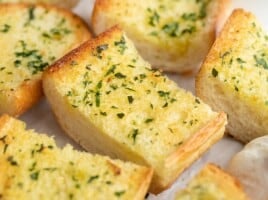
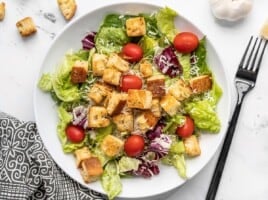
I usually enjoy this recipe as a full one-pan meal since it already has plenty of veggies and carbs, and the Parmesan adds a little richness, too. But if you want to make this gnocchi with spring vegetables part of a bigger dinner spread, there are a few easy sides that pair really well with it. I love a simple caprese salad for something fresh and juicy, and garlic bread is always welcome on my plate! Our antipasto salad also adds the best salty, briny crunch that pairs really well with the bright flavors in this dish.

Storage & Reheating

This spring vegetable gnocchi is best when it’s fresh. However, you can store leftovers in an airtight container in the refrigerator for 3-4 days (we don’t waste food here!). I don’t recommend freezing leftovers, as it’ll affect the texture of the gnocchi and veggies. Reheat in the microwave or back on the stove with a little oil until heated through.

Love Gnocchi? Try These Recipes Next:

The post Gnocchi with Spring Vegetables appeared first on Budget Bytes.


from Budget Bytes https://ift.tt/ca7imJC
0

Author

authorHello, my name is SURESH KUMAR. I'm a 50 year old self-employed Pirate from the Caribbean.
Learn More →